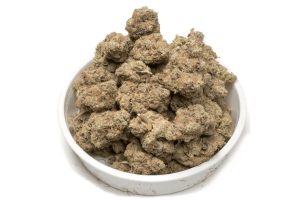



Cannabis is widely known for its ability to reduce nausea and vomiting—which is why it’s commonly prescribed for chemotherapy patients and those with digestive conditions. But here’s the twist: some people actually report the opposite effect, feeling nauseous after smoking or consuming weed.
So why does cannabis, a plant celebrated for its anti-nausea properties, sometimes trigger the very symptom it’s supposed to help? If you’ve ever asked yourself, “Why do I feel sick after smoking weed?”, you’re not alone.
In this guide, we’ll explore:
- Why cannabis sometimes causes nausea
- The science behind cannabis and the digestive system
- Common causes like overconsumption and cannabinoid hyperemesis syndrome (CHS)
- How to prevent cannabis-related nausea
- Safer ways to enjoy cannabis
The Connection Between Cannabis and Nausea
Cannabis interacts with the endocannabinoid system (ECS), a network of receptors that help regulate mood, appetite, digestion, and nausea.
- THC (tetrahydrocannabinol): Activates CB1 receptors in the brain, which can suppress nausea at the right dose.
- CBD (cannabidiol): Influences serotonin receptors and can calm the stomach.
That’s why cannabis is often prescribed for nausea relief. But in some cases, cannabis can overstimulate the system or interact with the body in unexpected ways, leading to the opposite effect.
Why Cannabis Can Cause Nausea
1. Overconsumption of THC
Too much THC is the most common reason for cannabis-related nausea. High doses can overstimulate the brain’s receptors, leading to dizziness, anxiety, and stomach upset.
Symptoms include:
- Queasiness
- Vomiting
- Spinning sensation (a “weed hangover” effect)
This often happens with edibles, since they’re much stronger than smoking or vaping.
2. Cannabinoid Hyperemesis Syndrome (CHS)
In rare cases, frequent cannabis users develop CHS, a condition where cannabis triggers cyclic nausea, vomiting, and abdominal pain.
Signs of CHS:
- Severe nausea after using cannabis
- Repeated vomiting
- Temporary relief from hot showers or baths
While uncommon, CHS is becoming more recognized in long-term heavy users. The only real treatment is to take a break from cannabis.
3. Contaminated Cannabis
Cannabis that contains mold, pesticides, or leftover chemicals from improper growing and curing can cause stomach upset or nausea.
Always buy from trusted sources and check your bud for freshness, proper curing, and quality.
4. Mixing with Alcohol or Other Substances
If you’ve ever had alcohol and cannabis together, you may have experienced “the spins.” Combining substances can increase nausea, especially when THC and alcohol interact in the stomach.
5. Individual Sensitivity
Some people are simply more sensitive to cannabis. Factors include:
- Genetics (variations in CB1 receptors)
- Hormonal differences
- Faster metabolism that changes how cannabinoids are processed
For these individuals, even small amounts may trigger nausea.
6. Smoking Method
Harsh smoke from poorly rolled joints, dirty bongs, or high-temperature dabs can irritate the lungs and throat, leading to coughing fits and nausea.
How to Prevent
The good news is that cannabis-related nausea can usually be prevented with the right approach.
✅ 1. Start Low and Go Slow
If you’re new to cannabis or trying edibles, begin with a low dose. For edibles, 2.5–5 mg of THC is a safe starting point. Wait at least two hours before taking more.
✅ 2. Stay Hydrated
Dehydration can make nausea worse. Keep a glass of water nearby during your session. Herbal teas like ginger or peppermint also calm the stomach.
✅ 3. Eat Before Consuming
Consuming cannabis on an empty stomach can intensify nausea. A light meal with healthy fats (like avocado or nuts) can help your body absorb cannabinoids better.
✅ 4. Choose the Right Strain
Some strains are more likely to cause nausea due to their potency or terpene profile. For sensitive users, look for strains with:
- Lower THC levels
- Higher CBD content
- Soothing terpenes like limonene (citrusy, uplifting) and myrcene (relaxing)
✅ 5. Use Cleaner Consumption Methods
- Vaping at lower temperatures is easier on the lungs.
- Edibles and tinctures avoid smoke irritation.
- Always clean your bong, pipe, or vaporizer to prevent bacteria and mold.
✅ 6. Avoid Mixing Substances
Stick to cannabis alone if alcohol or other drugs make you feel queasy.
✅ 7. Take Breaks
If you’re a heavy daily user experiencing nausea, a tolerance break may reset your body’s response and reduce side effects.
Remedies
If you do end up feeling nauseous after cannabis use, here are some remedies that may help:
- Hydrate: Sip water or ginger tea.
- Rest in a cool, calm space: Overstimulation can worsen nausea.
- Try black pepper: Sniffing or chewing black peppercorns can counteract THC-induced anxiety and nausea.
- Hot showers: For CHS-related nausea, hot water often provides temporary relief.
- CBD products: Small doses of CBD may balance THC’s effects and ease nausea.
When to Seek Medical Help
Most cases of cannabis-induced nausea are mild and pass with time. But if you experience:
- Severe vomiting
- Dehydration
- Inability to eat or drink
- Persistent nausea over multiple sessions
…it may be a sign of CHS or another condition, and you should consult a doctor.
The Flip Side: Cannabis as a Nausea Remedy
It’s important to note that while cannabis can cause nausea in some, it’s a proven anti-nausea treatment for many others. Medical patients use cannabis to manage:
- Chemotherapy-induced nausea
- Motion sickness
- Morning sickness (though this is controversial)
- General stomach upset from chronic illness
The key difference comes down to dosage, strain, and individual biology.
Final Thoughts
So, does cannabis cause nausea? The answer is complicated:
- For many, cannabis is an effective anti-nausea tool.
- For some, especially those who overconsume or have CHS, it can actually trigger nausea and vomiting.
The best way to avoid cannabis-induced nausea is to start low, go slow, choose quality products, and listen to your body. If nausea persists, take a break and talk to a healthcare provider.
👉 Bottom line: Cannabis and nausea have a complex relationship. Used mindfully, cannabis can soothe an upset stomach—but used carelessly, it may cause discomfort. Understanding your body and consumption habits is the key to finding balance.