


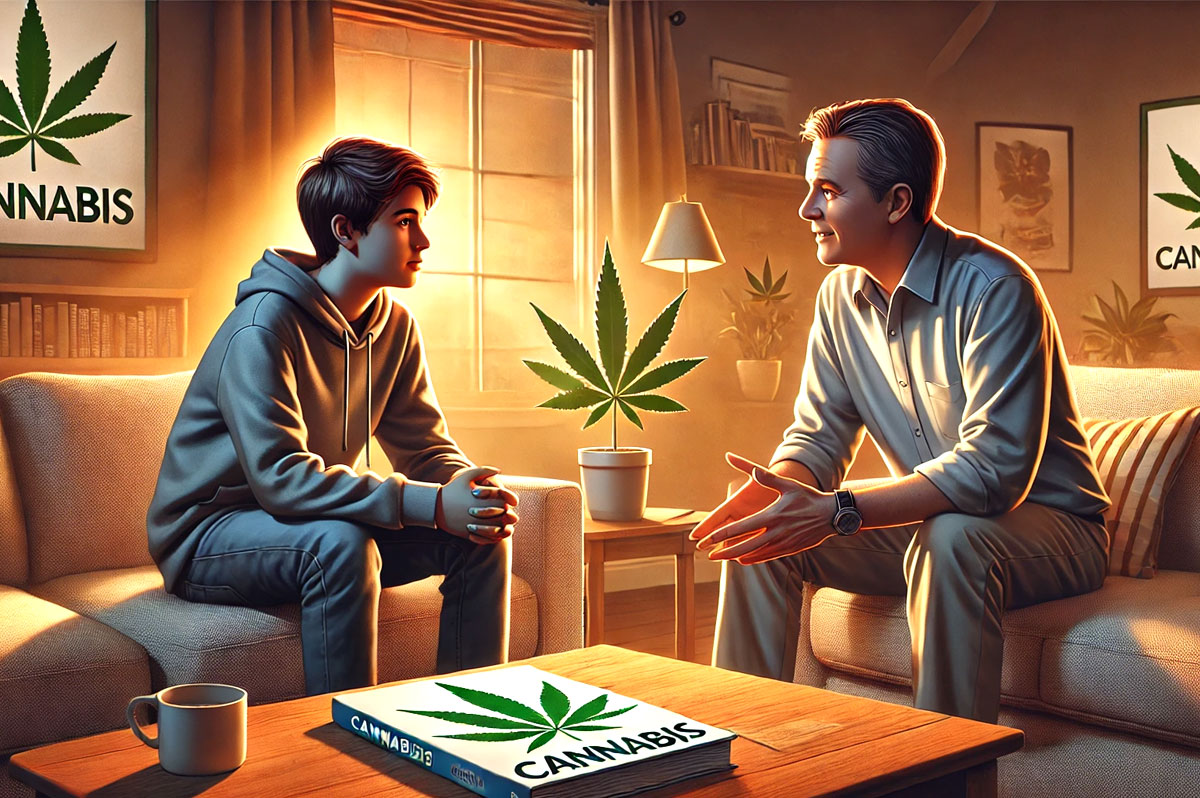
As cannabis becomes more widely accepted and legalized across the world, it’s more important than ever for parents to stay informed. The topic of cannabis and kids is no longer just about preventing use — it’s about understanding the landscape, communicating effectively, and protecting children and teens in an era of increasing cannabis visibility.
Whether you’re a parent who consumes cannabis, one who doesn’t, or somewhere in between, knowing how to navigate cannabis-related conversations with your child is crucial. This guide covers what every parent should know about cannabis, how to talk to kids about it, health risks, safe storage, and how legalization has changed the conversation.
Why Cannabis Education Starts at Home
The legalization of cannabis in many regions has normalized its presence — making it more likely that kids will encounter it at home, in media, or through peers. As a result, open and honest conversations are now more important than scare tactics.
Early education at home can:
- Reduce curiosity-driven experimentation
- Encourage responsible attitudes
- Promote critical thinking and safe decision-making
- Build trust between parents and children
The more you understand about cannabis and kids, the better equipped you’ll be to guide your child through the modern cannabis culture with clarity and confidence.
Cannabis and Kids: Understanding the Risks
It’s important for parents to understand the potential risks that cannabis poses to developing brains, especially for teens and young adults under the age of 25.
🔬 How Cannabis Affects the Developing Brain
Scientific research shows that the adolescent brain is still developing until the mid-20s. THC — the main psychoactive compound in cannabis — can interfere with key processes like memory, learning, emotional regulation, and impulse control.
Potential risks of early cannabis use include:
- Impaired memory and concentration
- Difficulty in school or lower academic performance
- Increased risk of mental health issues (e.g. anxiety, depression, psychosis)
- Higher likelihood of cannabis dependency
- Reduced motivation and long-term goal setting
While cannabis use may seem relatively harmless to adults, the impact on youth can be more severe and long-lasting — making education and prevention essential.
Legalization Doesn’t Mean Harmless
Since recreational cannabis was legalized in Canada and many U.S. states, many teens assume it must be safe or risk-free. But legality doesn’t mean harmless — especially for kids and teens.
Parents need to make this distinction clear:
“Cannabis is legal for adults — just like alcohol or tobacco — but that doesn’t make it safe for young people.”
Understanding this nuance is crucial when talking to kids about cannabis in today’s legal environment.
Signs Your Child May Be Using Cannabis
As a parent, staying informed about the signs of cannabis use can help you intervene early and support your child if needed.
🚩 Common signs of cannabis use in teens:
- Bloodshot or red eyes
- Sudden drops in motivation or grades
- Changes in appetite (especially frequent munchies)
- Odour of cannabis on clothing or breath
- Secrecy or defensiveness
- Change in friend groups or social habits
Keep in mind, these signs aren’t definitive — they may point to other issues — but they’re worth observing and addressing with compassion and openness.
Talking to Your Kids About Cannabis
The conversation around cannabis and kids should be ongoing, not a one-time lecture. Creating a safe space for open dialogue is one of the most effective tools you have as a parent.
💬 Tips for Talking to Kids About Cannabis:
1. Start Early and Age-Appropriate
Talk to kids early, even before they’re exposed. Use age-appropriate language to explain what cannabis is, how it affects the body, and why it’s not for kids.
2. Be Honest and Factual
Avoid scare tactics or exaggeration. Teens are more likely to listen when they feel respected and trusted with the truth.
3. Focus on Health and Goals
Frame cannabis use in the context of health, mental clarity, and achieving life goals. Help your child see how it could interfere with what’s important to them.
4. Share Personal or Family Values
Whether your family avoids cannabis completely or supports legal adult use, share your values and expectations clearly and consistently.
5. Encourage Questions
Invite your child to ask questions and discuss what they’ve seen at school, on social media, or in public.
Should Parents Who Use Cannabis Tell Their Kids?
If you’re a cannabis consumer, it’s natural to wonder whether you should share that with your child. While it’s a personal choice, honesty tends to build more trust than secrecy.
If you decide to talk about your cannabis use:
- Emphasize that it’s for adults only
- Model responsible behavior (just as you would with alcohol)
- Keep products stored safely and out of sight
- Reinforce the message that cannabis is not safe for developing brains
Being transparent — without glorifying use — can help your child understand the difference between adult choice and youth protection.
Cannabis Edibles and Kids: A Hidden Danger
With the popularity of cannabis edibles like gummies, chocolates, and baked goods, accidental ingestion by children has increased.
⚠️ How to Prevent Accidental Cannabis Consumption:
- Store products in child-proof containers
- Keep cannabis locked up and out of sight
- Avoid consuming around young children
- Educate older children about the dangers of edibles
- Label all cannabis-infused items clearly
Even small amounts of THC can be harmful to a young child and lead to emergency room visits. Prevention is key.
Harm Reduction for Teens: When “Just Say No” Isn’t Enough
While the goal is always to prevent underage use, some teens may experiment regardless of warnings. In these cases, harm reduction strategies can help reduce risk and keep the conversation going.
✅ Harm Reduction Tips for Teens:
- Avoid mixing cannabis with alcohol or other drugs
- Use only in safe, familiar settings with people you trust
- Never drive or get in a car with someone who’s high
- Know the law and legal age limits
- Wait until your brain is more developed (mid-20s) for safer use
- Avoid daily or high-potency use
The harm reduction approach acknowledges reality without encouraging use — it keeps the lines of communication open.
How to Keep the Conversation Going
Talking about cannabis and kids shouldn’t be a one-off discussion. It should evolve as your child grows and gains more exposure to different situations.
👪 Keep the conversation open by:
- Regularly checking in about their thoughts and questions
- Asking what they hear from friends or see on TikTok/Instagram
- Repeating your family’s values while staying non-judgmental
- Sharing news stories or scientific findings as discussion starters
- Letting your child know they can come to you without fear
Final Thoughts on Cannabis and Kids
In today’s world, cannabis is more visible, accessible, and culturally accepted than ever before — which means parents need to be more proactive, informed, and open than ever before, too.
Understanding the relationship between cannabis and kids involves more than just setting rules. It’s about:
- Having factual, age-appropriate conversations
- Creating an environment of trust and guidance
- Modeling safe, responsible behavior
- Protecting your children through education, empathy, and boundaries
By staying informed and keeping communication open, you can help your child navigate a cannabis-filled world with confidence and clarity.